60+ specialized cleaning capabilities
Professional Cleaning for Homes, Businesses & Facilities
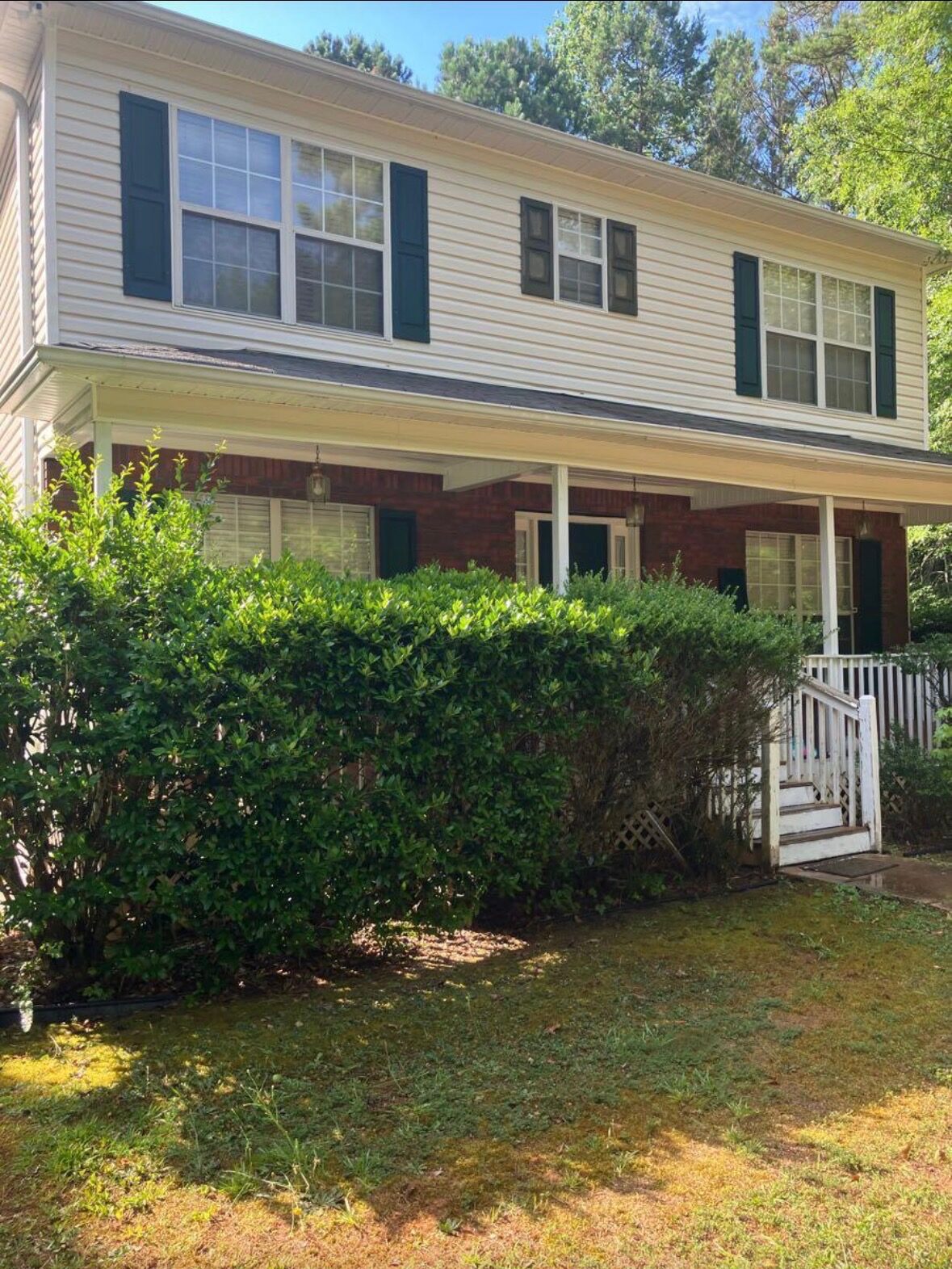
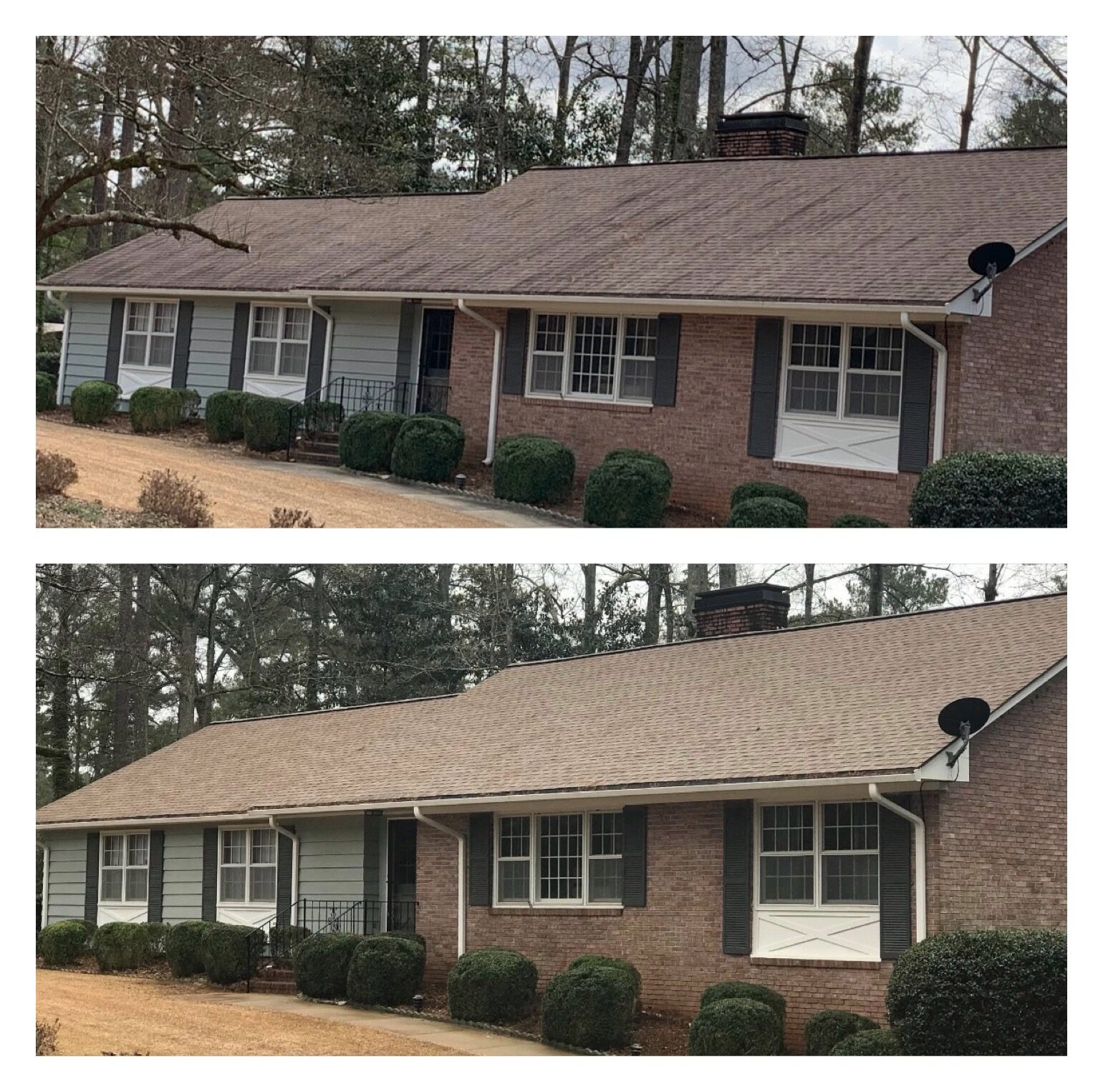
From house and roof soft washing to commercial facilities, post-construction cleanup, paint preparation and specialty stain treatment, we match the cleaning method and equipment to the surface.
Core services + commercial project specialties
The Right Method. One Careful Standard.
Start with a core service or one of our priority commercial project specialties, then use the complete capability directory below. Every final method is selected for the surface, condition and site requirements.
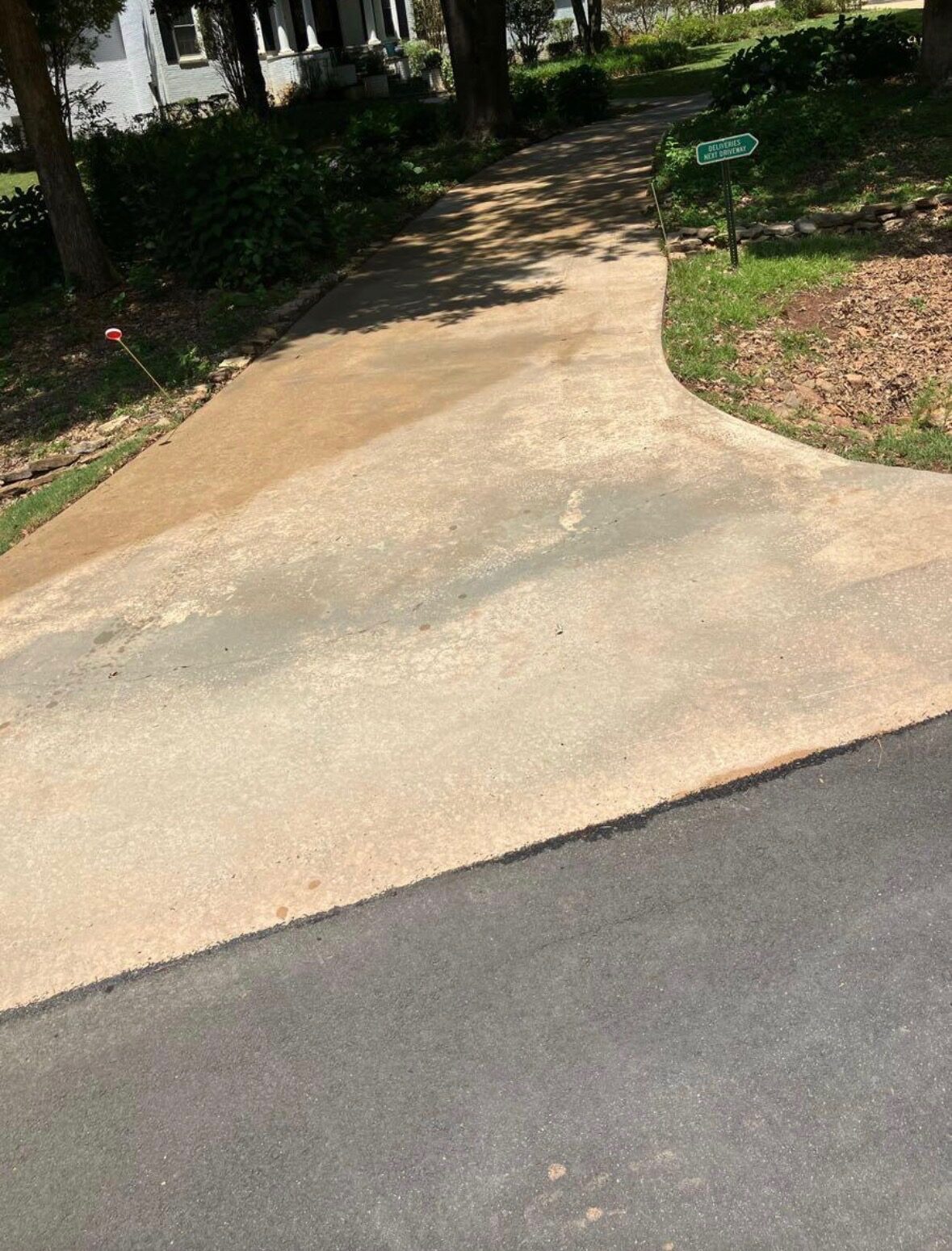
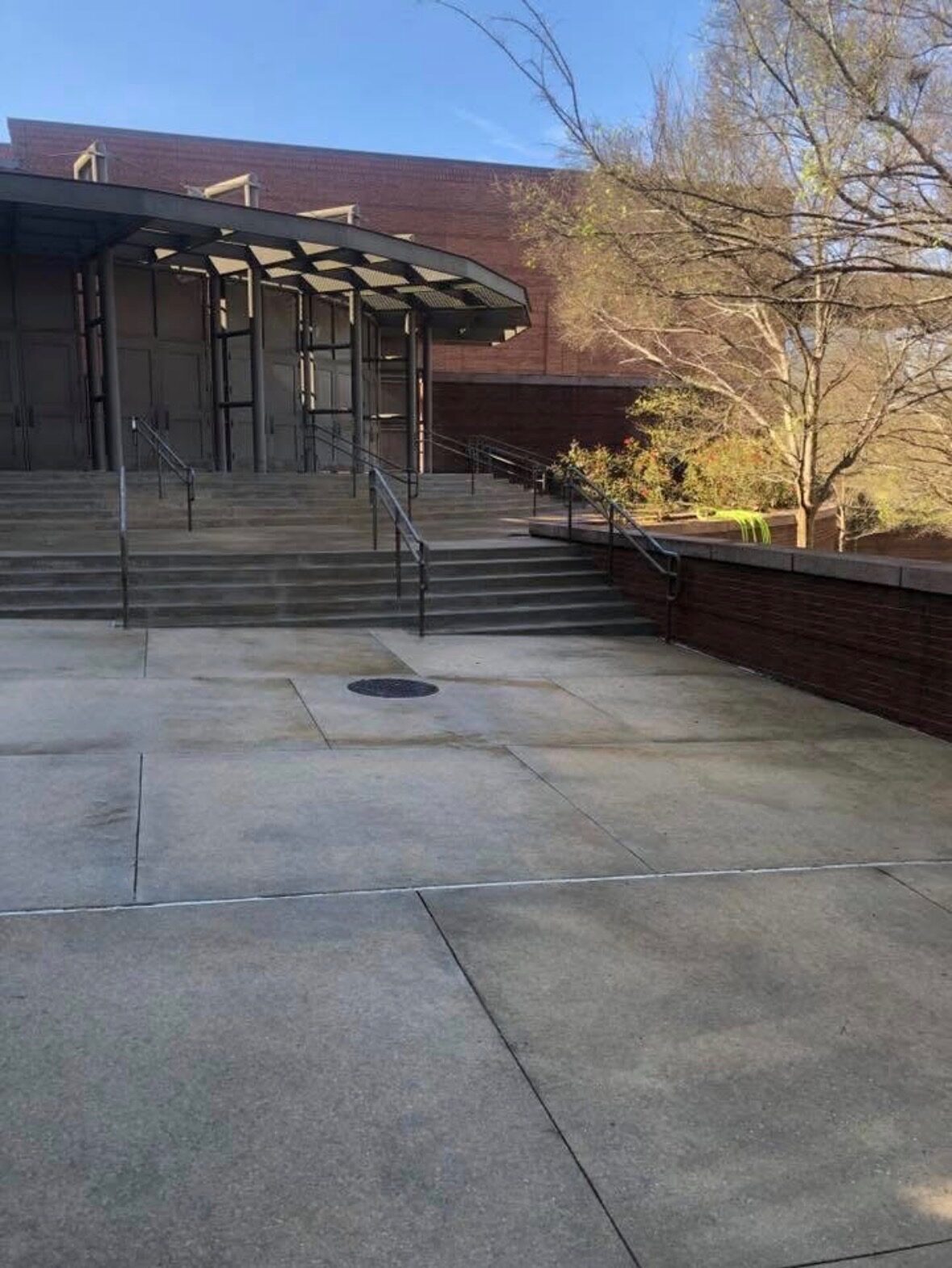
Brick & Concrete Cleaning
Detail-focused cleaning for masonry, steps, patios and driveways.
Explore page →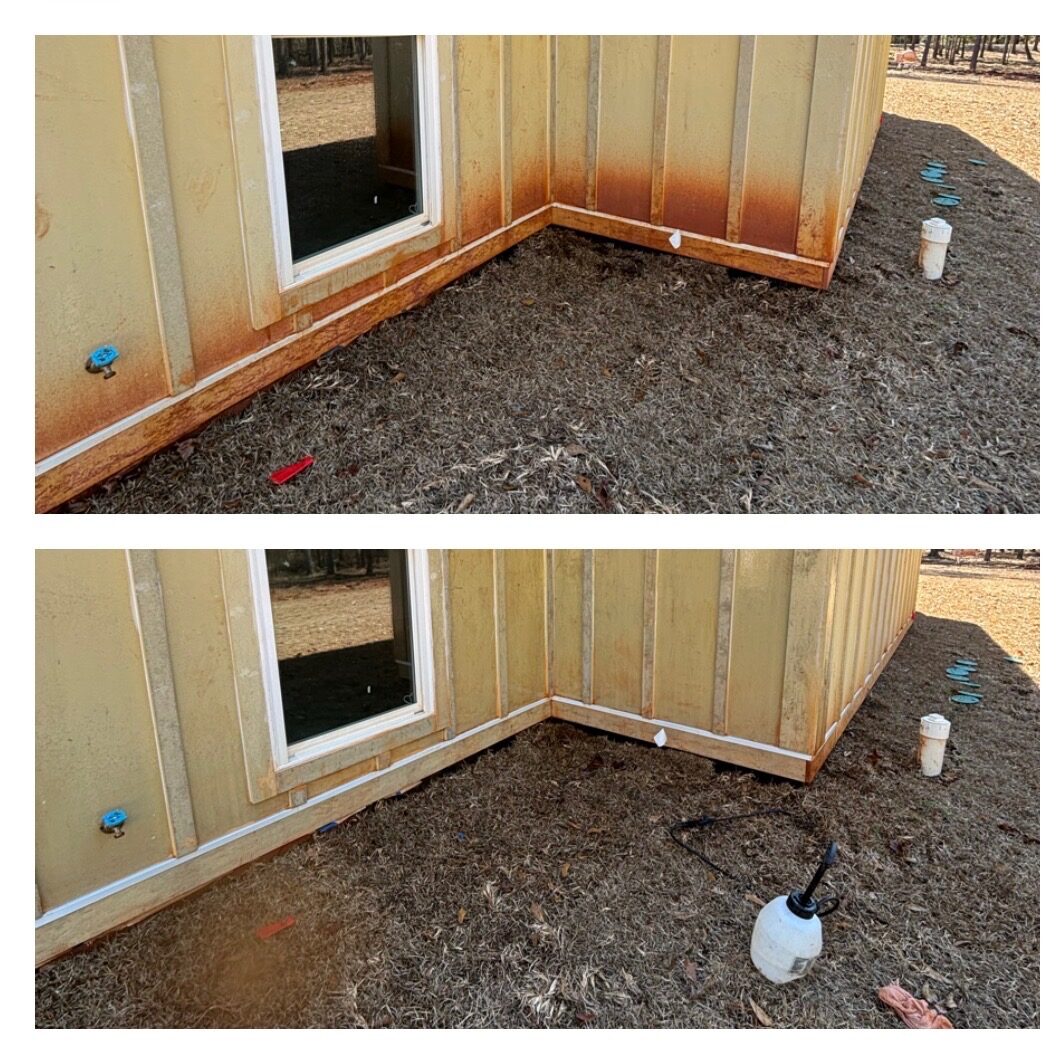
Red Clay & Rust Removal
Specialty stain treatment for Georgia clay and orange discoloration.
Explore page →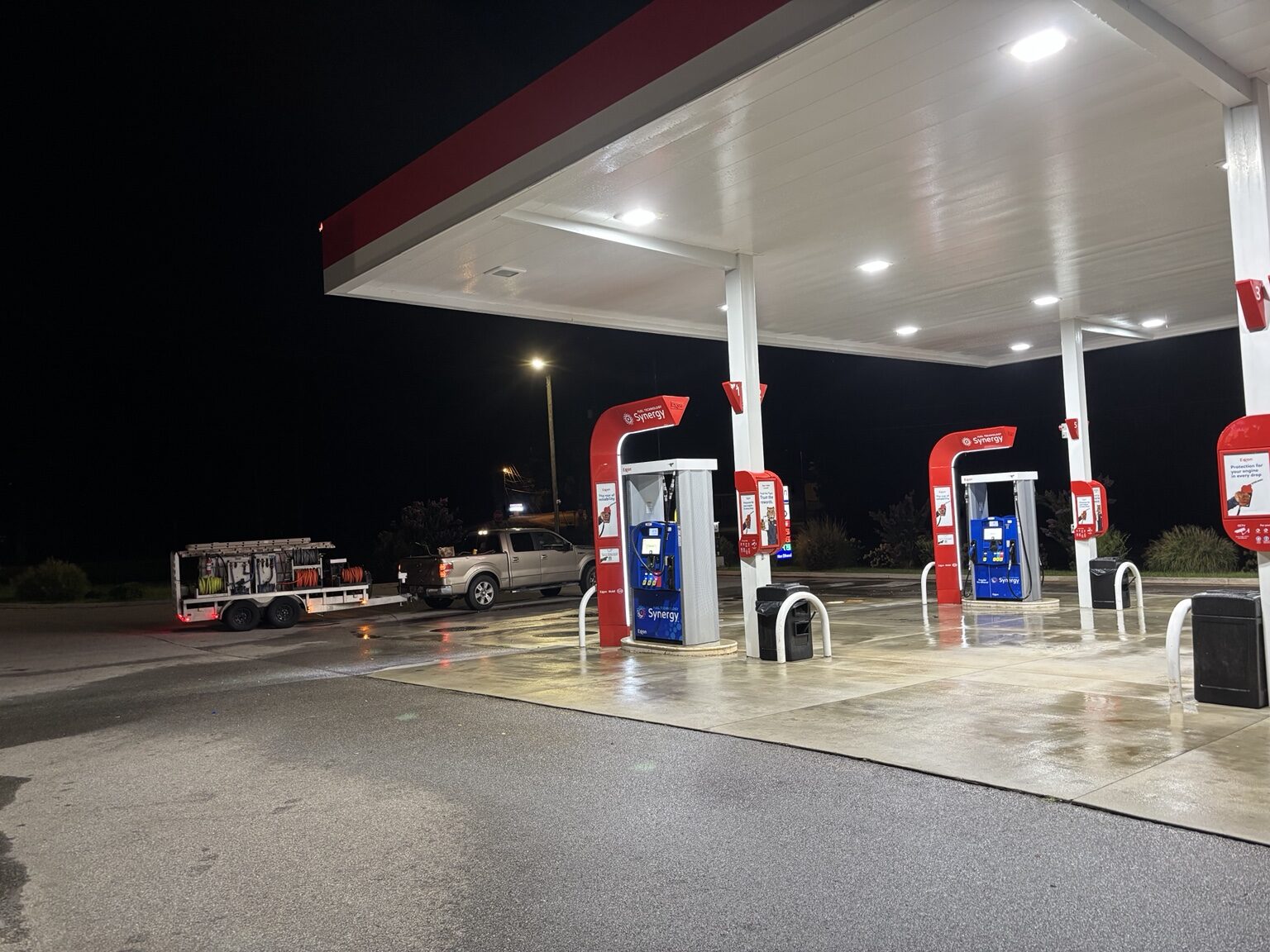
Commercial Pressure Washing
Reliable exterior cleaning for businesses, facilities and institutions.
Explore page →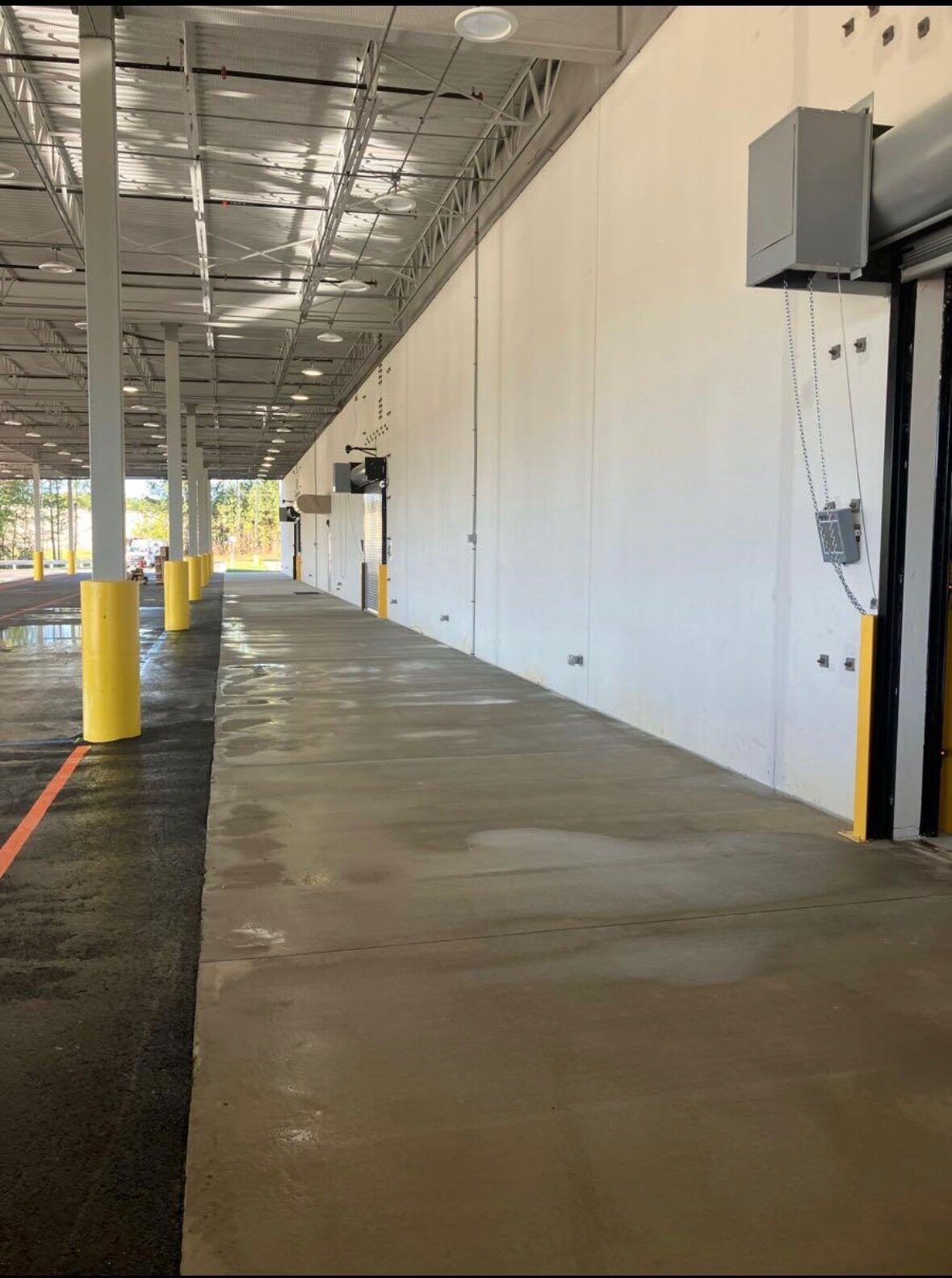
Post-Construction Exterior Cleanup
Final-clean support for construction, renovation and turnover projects with written scopes and phased scheduling.
Explore page →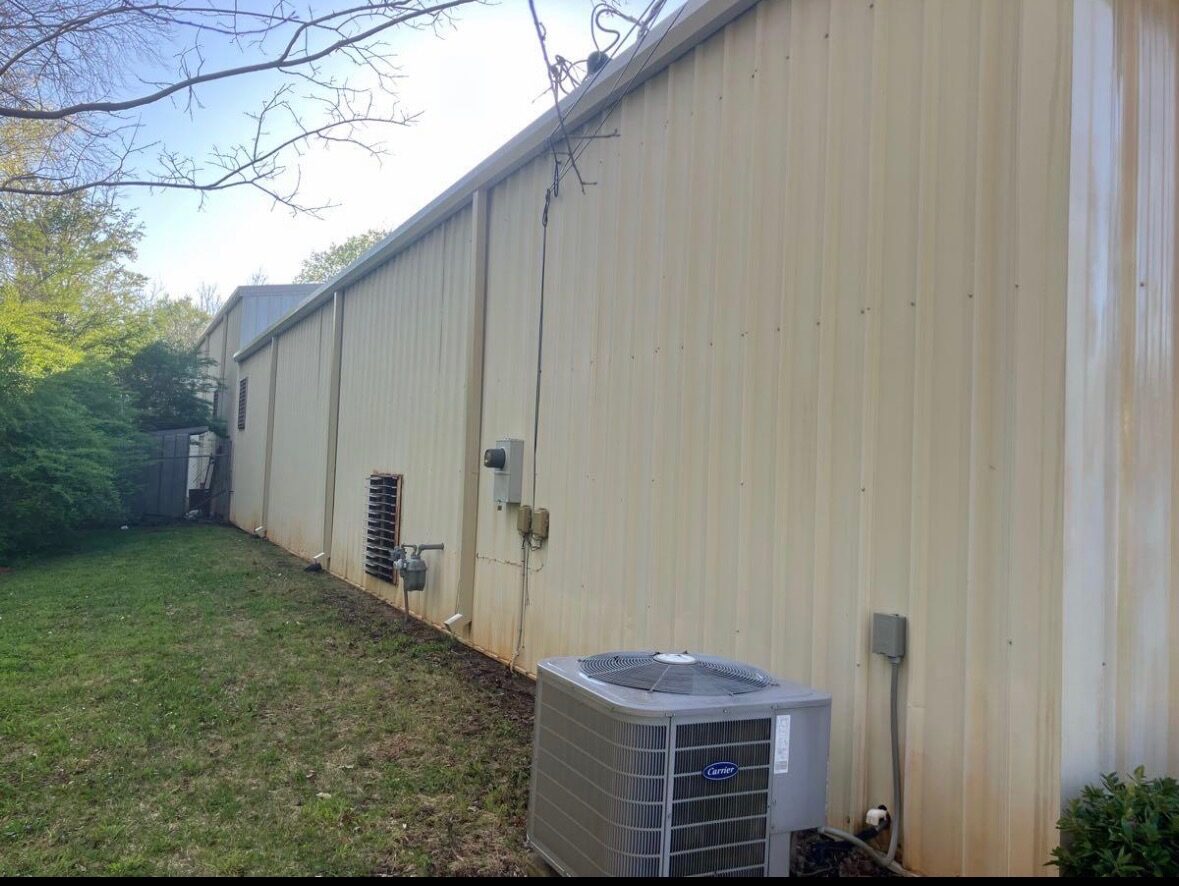
Exterior Paint-Prep Cleaning
Surface-appropriate cleaning before repainting, coordinated around coatings, materials and project timing.
Explore page →Complete service directory
From the Home Next Door to a Large Commercial Facility.
Choose a category to explore every listed capability. Final methods and scope are confirmed after the surface, condition, access and surrounding property are evaluated.
01–10
Residential Exterior Cleaning
Surface-aware cleaning for houses, roofs, siding, porches, decks, fences and the outdoor spaces families use every day.
01House Exterior Soft WashingLow-pressure exterior cleaning for a brighter, better-cared-for home without treating every material the same way.→02Roof Soft WashingA roof-appropriate low-pressure treatment for black streaks, algae, moss and lichen on suitable roofing systems.→03Driveway & Concrete Pressure WashingProfessional cleaning for durable concrete driveways, aprons and paved exterior areas.→04Vinyl & Fiber-Cement Siding Soft WashingLow-pressure washing for vinyl and fiber-cement siding affected by algae, mildew and atmospheric dirt.→05Brick & Stone Soft WashingA measured cleaning approach for masonry exteriors, accents and hardscapes where mortar and porosity matter.→06Stucco & EIFS Soft WashingGentle exterior cleaning for stucco and EIFS façades that should not be approached with aggressive pressure.→07Fence Soft WashingCleaning for wood, vinyl, metal and composite fencing using a method selected for the fence material and finish.→08Deck & Porch Soft WashingCareful cleaning for outdoor living spaces affected by grime, mildew, algae and weather exposure.→09Screened Porch & Lanai Soft WashingDetail-focused cleaning for screened outdoor rooms, frames, floors and surrounding exterior surfaces.→10Gutter & Downspout Exterior Soft WashingExterior brightening for gutters and downspouts affected by organic buildup, dirt and visible streaking.→
11–20
Specialty Surface Cleaning
Targeted treatment for stains and materials that require more than a standard water-only wash.
11Graffiti RemovalTargeted removal planning for paint, marker and other graffiti from compatible exterior materials.→12Chewing Gum RemovalDetail cleaning for gum deposits on sidewalks, entrances, plazas and other durable pedestrian surfaces.→13Oil & Grease Stain RemovalPretreatment and professional cleaning for vehicle residue, cooking grease and petroleum staining on hard surfaces.→14Rust Stain RemovalSpecialty treatment for orange rust discoloration that ordinary pressure washing may leave behind.→15Efflorescence RemovalEvaluation and treatment for white mineral deposits on brick, concrete, block and stone surfaces.→16Exterior Mold, Mildew & Algae TreatmentCleaning and treatment of exterior organic growth on compatible building and hardscape surfaces.→17Black Algae Roof TreatmentA targeted low-pressure treatment for roof streaking commonly associated with Gloeocapsa magma.→18Metal & Aluminum Oxidation RemovalSpecialty evaluation for chalking and oxidation on compatible painted metal and aluminum exterior surfaces.→19Solar Panel Exterior CleaningLow-pressure exterior panel cleaning planned around manufacturer guidance, access and electrical components.→20Awning & Canopy Soft WashingGentle cleaning for exterior awnings and canopies over homes, storefronts, entries and fuel islands.→
21–30
Commercial & Multi-Unit Cleaning
Professional exterior cleaning planned around tenants, customers, operating hours, access and recurring property-maintenance needs.
21Apartment & Condo Complex Soft WashingCoordinated exterior cleaning for multi-building residential communities and shared spaces.→22HOA Common-Area Soft WashingExterior cleaning for neighborhood entrances, shared amenities and association-maintained structures.→23Retail Storefront Soft WashingCustomer-facing cleaning for storefront walls, sidewalks, entrances and exterior architectural details.→24Restaurant Exterior & Dumpster-Pad CleaningExterior cleaning for guest areas and service zones affected by grease, food residue and high traffic.→25Office Building Soft WashingProfessional cleaning for office façades, entrances, walkways and employee-facing exterior spaces.→26Church & Place-of-Worship Soft WashingRespectful exterior cleaning for worship facilities, fellowship spaces, entrances and walkways.→27School & Daycare Exterior Soft WashingPlanned exterior cleaning for educational properties, entrances and outdoor circulation areas.→28Hotel & Motel Soft WashingGuest-focused exterior cleaning for lodging properties, arrival areas and outdoor amenities.→29Self-Storage Facility Soft WashingCleaning for rows of exterior units, office façades, drive lanes and customer-access areas.→30Car Wash & Auto-Facility Exterior CleaningExterior cleaning for auto-related properties affected by traffic film, detergent residue and constant vehicle use.→
31–40
Recreational, Water & Outdoor Facilities
Cleaning for public-use and guest-facing outdoor spaces where surface compatibility, traffic and reopening schedules matter.
31Waterpark CleaningSurface-aware cleaning for waterpark guest areas, aquatic structures and high-traffic outdoor spaces.→32Swimming Pool Deck & Surround CleaningProfessional cleaning for concrete, stone and coated pool surrounds affected by organic buildup and outdoor use.→33Tennis, Basketball & Pickleball Court CleaningLow-pressure cleaning for compatible sport-court surfaces, perimeter areas and access walkways.→34Playground Equipment & Structure Soft WashingDetail cleaning for compatible outdoor play structures and surrounding hardscape areas.→35Bleacher & Outdoor-Seating Soft WashingCleaning for bleachers, grandstands and outdoor audience areas at schools, parks and venues.→36Boat Dock & Boathouse Soft WashingCareful exterior cleaning for dock structures, boathouses and accessible lakeside walking surfaces.→37Marina & Lakeside Structure Soft WashingExterior cleaning for marina buildings, lakeside facilities and shared waterfront structures.→38Outdoor Amphitheater & Stage Soft WashingLarge-area cleaning for venue entrances, audience circulation areas, stages and exterior structures.→39Pavilion & Picnic-Area Soft WashingCleaning for park pavilions, shelters, concrete pads and surrounding public-use areas.→40Golf Course Structure CleaningExterior cleaning for clubhouses, comfort stations, cart paths and guest-facing golf facilities.→
41–50
Industrial & Specialty Structures
Scalable exterior cleaning for working properties, service areas, large structures and high-use commercial surfaces.
41Warehouse Exterior Soft WashingScalable exterior cleaning for warehouse walls, entrances and large commercial building elevations.→42Loading Dock & Ramp CleaningCleaning for active loading areas affected by tire residue, grease, dirt and daily material movement.→43Silo & Agricultural-Building Soft WashingExterior cleaning evaluation for agricultural structures, metal buildings and farm-support facilities.→44Barn & Outbuilding Soft WashingSurface-specific cleaning for barns, workshops, sheds and other detached structures.→45Metal Building & Quonset Soft WashingProfessional cleaning for metal-panel buildings and curved Quonset-style structures.→46Dumpster Enclosure & Pad CleaningCleaning for waste-service areas affected by spills, organic residue, grease and heavy operational use.→47Trash Compactor Exterior CleaningExterior cleaning for compactor surrounds, pads and accessible non-operating equipment surfaces.→48Parking Garage CleaningSectioned cleaning for garage floors, walls, columns, entries and pedestrian approaches.→49Gas Station Canopy & Island CleaningAfter-hours or phased exterior cleaning for fuel islands, canopy surfaces and customer traffic areas.→50Billboard Structure & Support CleaningCleaning evaluation for accessible billboard supports and exterior structural components.→
51–60
Hard-to-Reach & Specialty Properties
Careful cleaning for elevated, historic, architectural and specialty exterior surfaces after an access and material review.
51Second-Story & Multi-Story Exterior Soft WashingProfessional exterior cleaning for elevated walls and building elevations using access appropriate to the property.→52Chimney Exterior Soft WashingCareful exterior cleaning for accessible masonry, stucco or sided chimney surfaces.→53Cupola & Steeple Lower-Section Soft WashingGentle cleaning for accessible lower sections of architectural towers, cupolas and steeples.→54Monument & Memorial CleaningRespectful, material-aware exterior cleaning for monuments, memorials and commemorative structures.→55Historical Building Exterior Soft WashingGentle exterior-cleaning planning for historic façades and older materials that require added restraint.→56Glass Block & Specialty-Glass Exterior CleaningExterior cleaning for compatible glass block and specialty glazing after seal and coating review.→57PVC & Composite Structure Soft WashingLow-pressure cleaning for PVC, vinyl and composite fencing, rails and outdoor structures.→58Outdoor Kitchen & Built-In Grill Exterior CleaningCleaning for exterior cabinets, masonry surrounds and non-food-contact outdoor-kitchen surfaces.→59Retaining Wall Soft WashingCleaning for block, stone, brick and concrete retaining walls affected by soil splash and organic growth.→60Concrete Step, Walkway & Entry CleaningProfessional cleaning for the high-visibility paths and entrances people use to reach a property.→
Choosing the right service
Start With the Surface and the Stain—not the Equipment Name
Customers often call everything “pressure washing,” but a professional exterior-cleaning plan is more specific. Southern Style separates the work into four main categories: soft washing for delicate surfaces, controlled pressure for durable materials, surface cleaning for larger flatwork, and specialty chemistry for stains that ordinary washing will not remove.
Soft Washing
Best suited to siding, compatible roofs and other materials where chemical treatment and low pressure can remove organic growth without unnecessary force.
House soft washing →Pressure & Surface Cleaning
Used primarily on appropriate concrete and sound brick. Flow, pressure, nozzle choice and surface-cleaner technique are adjusted for the material.
Pressure washing →Specialty Stain Treatment
Red clay, rust, irrigation stains, grease, oxidation and mineral deposits can require completely different products and expectations.
Red clay & rust →Residential priorities
House soft washing and roof washing are two of our most important residential services, while porch cleaning is one of the most common requests. We also clean driveways, sidewalks, patios, pool decks, brick, stone, decks, fences, gutters and other exterior surfaces. Copper is one material we do not treat as a normal pressure-washing surface.
Commercial priorities
For commercial customers, the service may involve storefronts, hospitality properties, schools, colleges, industrial buildings, warehouses, apartments, parking areas, event facilities or post-construction work. Commercial scopes can include after-hours scheduling, phased work, multi-location service, certificates of insurance and recurring maintenance.