In-depth service guide
Brick & Concrete Cleaning: What a Professional Cleaning Plan Actually Requires
Brick and concrete may sit next to each other, but they do not automatically deserve the same pressure.
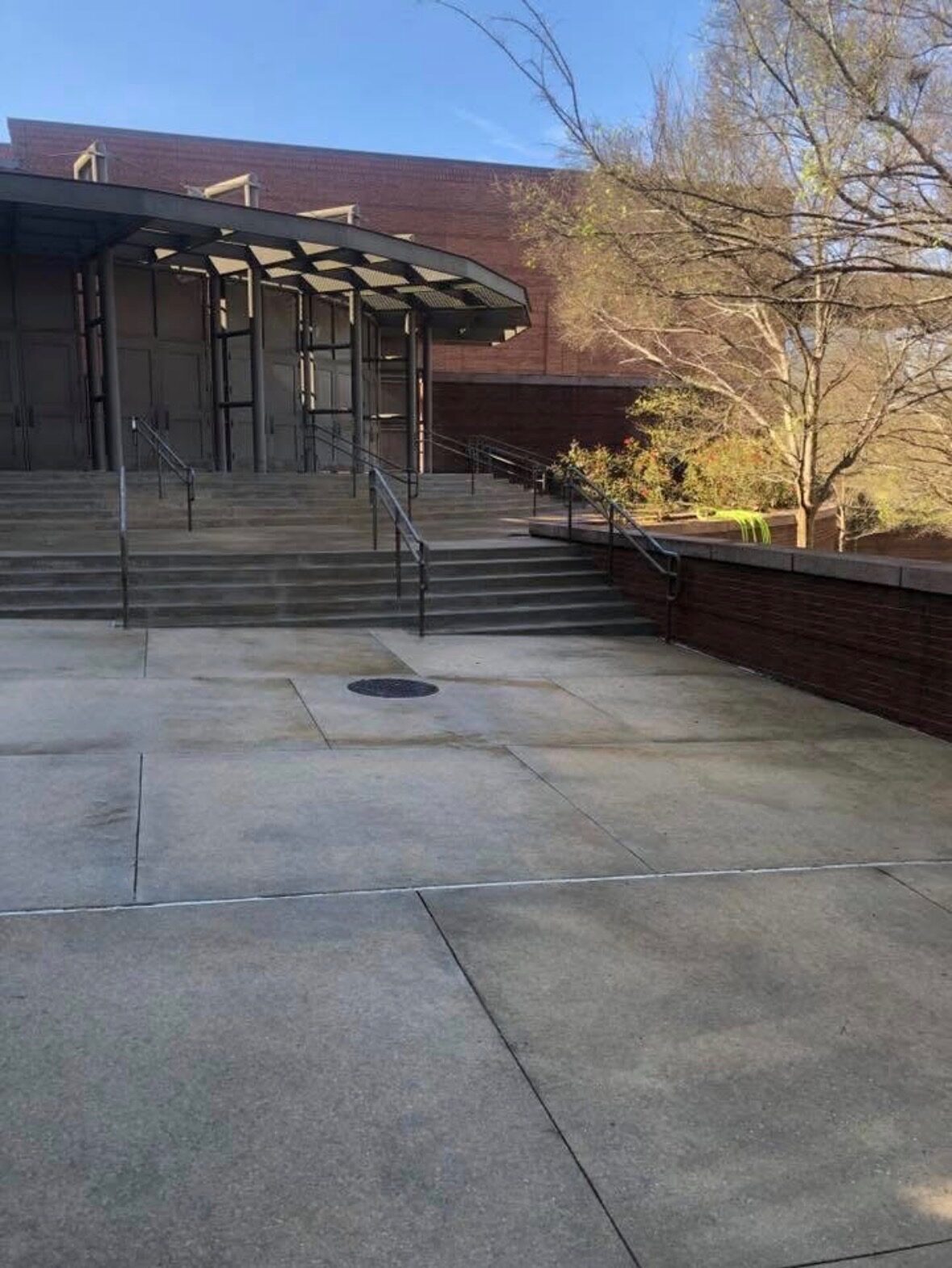
For this service, Southern Style commonly evaluates driveways, sidewalks, steps, patios, brick walls, columns, masonry entries and compatible commercial flatwork. The buildup may include algae, mildew, dirt, red clay, tire marks, gum and general weathering. Before selecting equipment, we first determine whether the contamination is organic, mineral, petroleum-based, oxidation, a coating problem or simple loose dirt. That distinction controls the safest path to a good result.
Surfaces and Areas Commonly Included
- ✓ Moss-covered brick steps
- ✓ Darkened concrete
- ✓ Organic growth in shaded entries
- ✓ Dirty patios and retaining walls
The exact scope is confirmed from photos or a walkthrough. A property may contain several materials that look similar from a distance but respond very differently to pressure and cleaning chemistry.
Common Difficulties With Brick & Concrete Cleaning
Soft/old mortar, etched concrete, deep oil, rust, efflorescence and previous pressure damage. These issues affect not only the cleaning method but also setup time, hose routing, work-zone control and the order in which different areas should be cleaned.
Another challenge is distinguishing surface contamination from permanent material change. Oxidation, coating failure, etched concrete, worn paint, old mortar damage or deeply absorbed oil may still be visible after the removable contamination has been cleaned. We identify those limitations early so the customer understands what cleaning can—and cannot—change.
How We Select the Cleaning Method
Our expected approach is to combine high-flow pressure cleaning on sound concrete with gentler chemistry-first cleaning on masonry as needed. We start with the least aggressive effective method and only add pressure when it contributes to the result without creating unnecessary risk. The condition of the material always overrides a generic “pressure washing” label.
Nozzles, Flow and Surface Cleaners: What Actually Controls Pressure-Washing Results
Professional pressure washing is not simply “use the highest PSI.” Southern Style’s 10 GPM pressure washer moves a high volume of water, and that flow is a major part of production and rinsing. The nozzle then determines spray angle and—through its orifice size—the pressure the machine develops. That is why a professional should match the tip to the machine and surface instead of grabbing a random colored nozzle.
A 15-degree fan concentrates cleaning energy more than a 25-degree or 40-degree fan and may be useful for controlled detail work on durable surfaces. A 25-degree fan is a common general hard-surface pattern, while a 40-degree fan spreads the water for gentler rinsing and edge/detail work. A 0-degree red tip is highly concentrated and is generally avoided for property washing because it can cut, etch or scar materials. Turbo/rotary nozzles can multiply the mechanical effect of a narrow jet and should be reserved for truly durable surfaces when conditions justify them.
On broad flatwork, a 24-inch surface cleaner can deliver more uniform passes than wand-only cleaning. The nozzles inside a surface cleaner also have to be correctly sized for the machine’s flow and target pressure. Incorrect nozzle sizing can reduce cleaning performance or create unnecessary pressure. Edges, steps and transitions are then detailed with a fan pattern appropriate to the material.
West Georgia & East Alabama Cleaning Conditions
Exterior surfaces in West Georgia and nearby East Alabama live through long warm seasons, high humidity, shade from mature trees, pollen and periods of heavy rain. Those conditions encourage algae and other organic growth on siding, roofs, masonry, fences and concrete. Properties near wooded areas or water often stay damp longer on the shaded side, so one elevation can become dirty much faster than another.
Red Georgia clay creates another regional challenge. Clay can splash onto foundations, sidewalks and lower walls during construction, landscaping or storms and leave mineral color behind after the loose dirt is gone. Rust or irrigation staining can add orange discoloration that looks similar from a distance but needs a different treatment. That is why Southern Style evaluates the type of stain instead of assuming every red, green, black or white mark has the same cause.
Seasonal pollen can also make clean surfaces look dusty or yellow quickly. Pollen is different from established algae, and the best maintenance interval depends on shade, drainage, tree cover, property use and how important appearance is to the owner or facility manager. Many Georgia homes benefit from washing about once or twice per year, while high-traffic commercial areas may need targeted maintenance more frequently.
Professional Equipment Behind the Service
Southern Style’s trailer is built to handle both residential work and larger commercial scopes. The current setup includes a 10 GPM pressure washer, two AR45 soft-wash pumps, a 600-gallon onboard water tank, a 24-inch surface cleaner, approximately 500 feet of soft-wash/ag hose across two reels, and about 300 feet of pressure hose. Chemical delivery can be adjusted through metering valves and remotely controlled from the work area.
The 600-gallon water capacity helps on properties with weak water pressure and allows the crew to arrive with a significant buffer of water. Long hose reach can reduce unnecessary vehicle movement around a property. Backup equipment is available for larger projects, and access equipment such as boom lifts can be used or rented when height and site conditions require it.
Equipment does not replace judgment. High flow is valuable on concrete, but a high-flow machine paired with the wrong tip or used too close to a delicate surface can cause damage quickly. Southern Style’s operating principle is to use the equipment’s capacity without forcing every surface into the same method.
Property Protection Is Part of the Cleaning Process
Before applying cleaning solution, Southern Style wets plants and surrounding surfaces that are not part of the treatment. Landscaping can be rinsed during and after the cleaning, and neutralizer is used where appropriate. Depending on the project, tape and plastic may be used around electrical equipment, painted surfaces, metals, outlets, cameras or other sensitive components.
Residential customers are not expected to empty a porch of every movable item before we arrive. Reasonable porch furniture and exterior items can be moved as part of the service, which is especially helpful for older homeowners. Pets, pools, gardens and sensitive landscaping are discussed during preparation so the crew can work around the property rather than asking the customer to solve every obstacle in advance.
Commercial properties may require cones, barricades, warning signs or phased work zones. Drainage and runoff are evaluated site by site because a parking lot, restaurant pad, industrial facility and residential driveway can have completely different water-management concerns.
How Southern Style Plans a Professional Exterior-Cleaning Job
- 01Understand the goal. We determine what the customer wants cleaned, what result matters most and whether there are deadlines, operating hours or access restrictions.
- 02Identify the surface and the stain. Organic growth, red clay, rust, oil, oxidation and efflorescence are different problems. The material underneath the stain matters just as much.
- 03Choose the method. We decide whether the work calls for soft washing, pressure washing, surface cleaning, specialty treatment or a combination.
- 04Prepare the property. Landscaping, furniture, doors, windows, electrical components, vehicles, customers and work zones are addressed before active cleaning.
- 05Apply the treatment. Chemical strength, nozzle pattern, water flow and distance are adjusted for the task rather than held to one setting.
- 06Rinse, detail and inspect. Edges, transitions and remaining stains are reviewed so a deeper-set limitation is not confused with missed cleaning.
- 07Final walkthrough and maintenance. We explain the result, document larger/commercial work when appropriate and recommend a maintenance interval if the property would benefit from recurring service.
When Specialty Cleaning Is Needed
A standard soft wash is designed mainly for organic growth. A standard pressure wash is effective on many forms of loose dirt and organic buildup on durable hardscape. Neither one automatically removes every red, orange, white, oily or chalky stain. Southern Style separates specialty problems such as red clay, rust, irrigation deposits, oil/grease, efflorescence, oxidation and graffiti so the treatment can be matched to the actual contaminant.
For organic growth, Southern Style commonly works from professional sodium-hypochlorite stock and meters the final cleaning strength for the material. Specialty stain treatments are chosen according to their intended labeled use. We do not publish universal chemical recipes because surface condition, product label directions and the type of stain all matter.
Residential vs. Commercial Expectations
On residential work, convenience and protection often center on plants, porches, furniture, pets, pools, windows and access around the home. On commercial work, the planning may involve opening hours, pedestrians, employees, traffic lanes, drainage, lifts, certificates of insurance, written scopes and phased work zones. Southern Style can handle both, but the workflow is intentionally different.
Commercial work may also be scheduled early, late or outside ordinary operating hours. Multiple locations for one customer can be serviced, and recurring monthly, quarterly, seasonal or annual maintenance can be built around the parts of a property that get dirty fastest.
How Long Does This Service Take?
There is no honest universal time because size, access, surface condition, water availability, stain type and preparation can change the schedule dramatically. A typical house wash may be around an hour, while large commercial or multi-building projects can take multiple days. The estimate is based on the actual scope rather than a generic “per hour” promise.
What Results Are Realistic?
Organic growth often responds very well when the correct chemistry reaches the surface and is given appropriate dwell time. Deep oil, old rust, red clay, mineral deposits, oxidation and permanently damaged coatings are more variable. Some staining can be dramatically improved without disappearing completely. Southern Style explains those limitations before work begins.
Why Southern Style Soft Wash?
Southern Style Soft Wash is a family-owned, licensed and insured exterior-cleaning company based in LaGrange, Georgia. Alton brings approximately 10 years of exterior-cleaning experience, and the company is a member of the Troup County Chamber of Commerce. Work is backed by a satisfaction/workmanship guarantee.
The business is built around specialized cleaning. “Southern Style” means we want to be the company a property owner can call when the job is more complicated than pointing a pressure washer at a surface. We bring the correct equipment, evaluate the material, explain realistic expectations and change methods when the surface changes.
Most residential estimates can often be prepared from photos. Specific stains, unusual materials and larger commercial work may require an in-person walkthrough. Commercial customers can receive written scopes, certificates of insurance when requested, before-and-after documentation and recurring monthly, quarterly, seasonal or annual maintenance options.
Related Exterior-Cleaning Services
This service can often be paired with house soft washing, roof soft washing, pressure washing, red clay and rust treatment, or commercial exterior cleaning depending on the property. Our service-area pages explain where Southern Style works throughout West Georgia and nearby East Alabama.